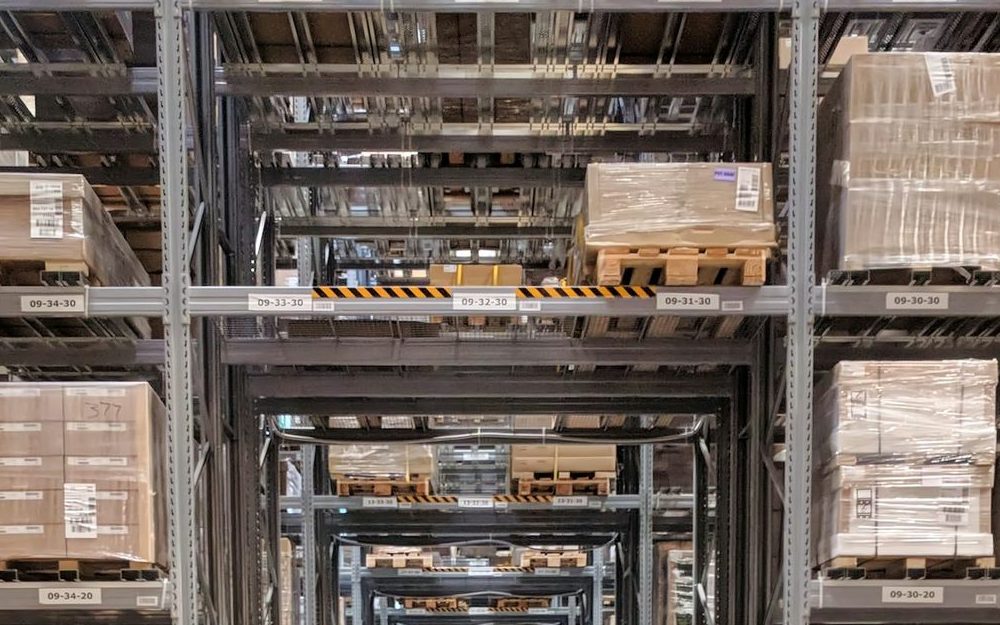
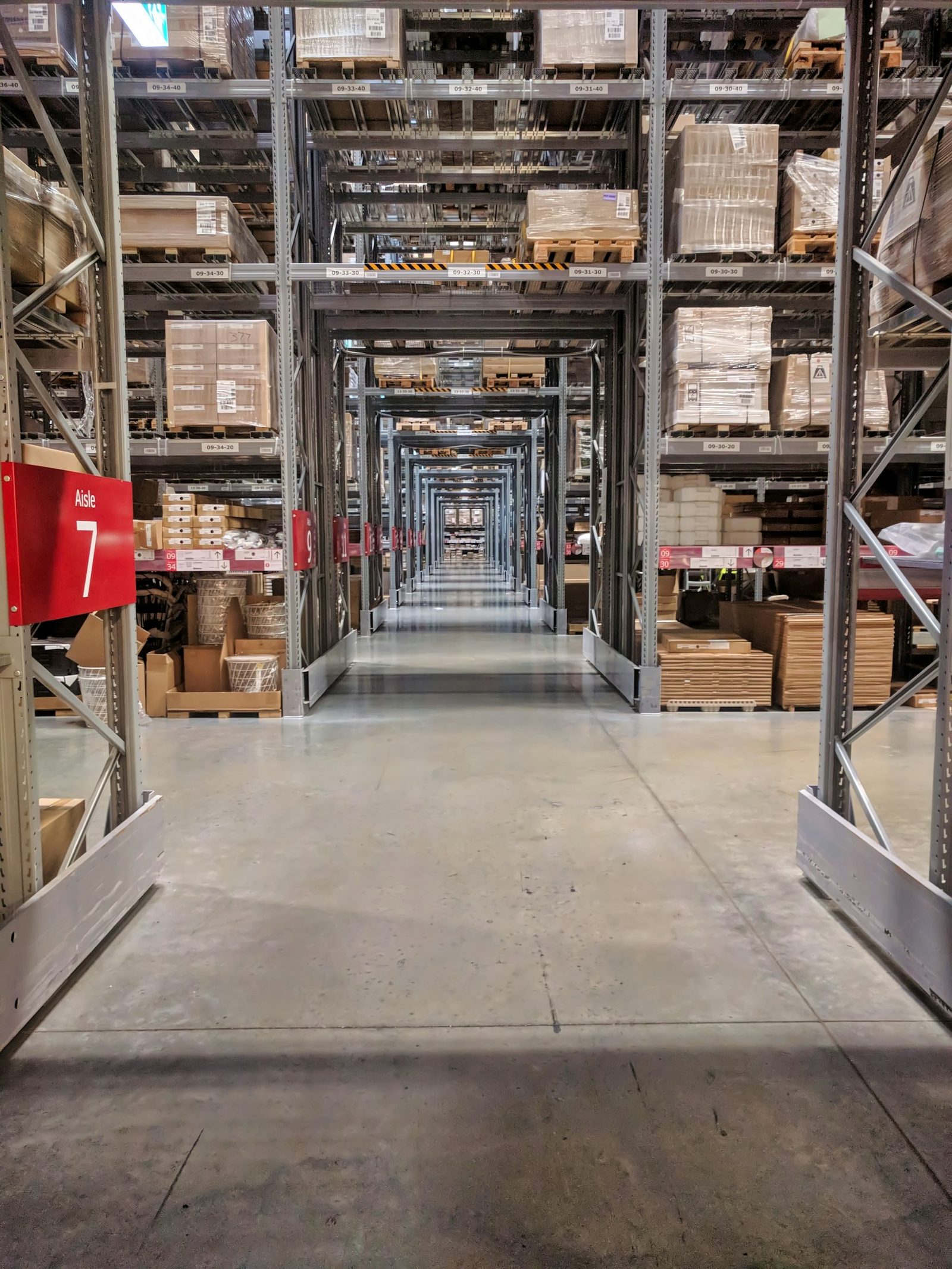
Racked storage aisles inside a large distribution warehouse

Sectors

Engineering that understands the sector

A retail floor, a pharmacy and a cold store make completely different demands on a cooling system. We design to what the sector actually needs from the plant, not to a generic load.

Sectors
6 sectors served
Markets
Zimbabwe · South Africa · United Kingdom

Sectors

Where the work is done

The six sectors below are the ones the business is regularly asked to engineer for. Each one lists what it genuinely demands, which is where the design decisions start.

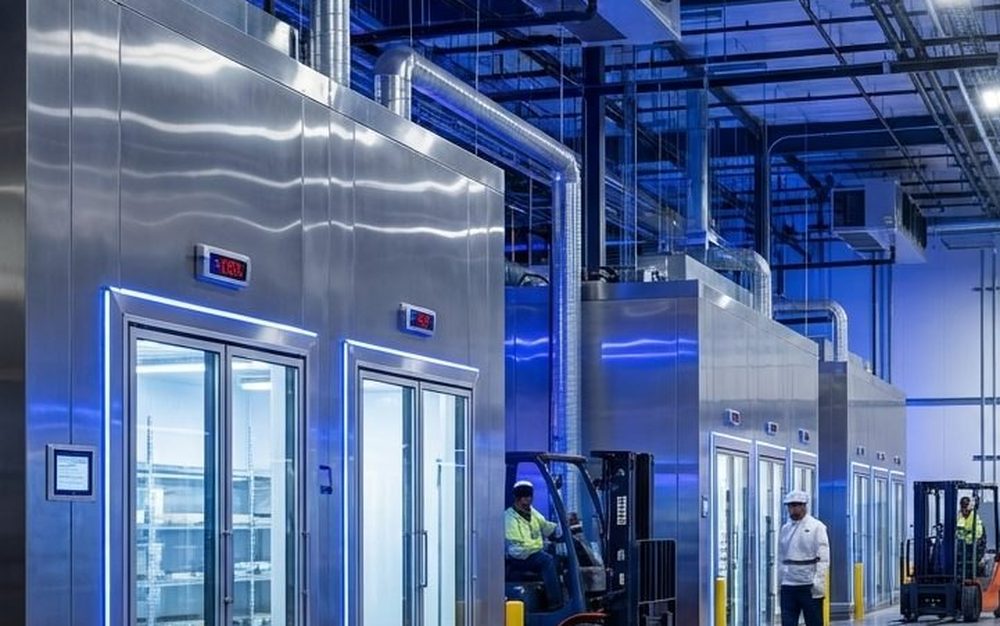
Cold room doors in a blue-lit refrigerated store

01

Retail and food service

Supermarkets, food stores and food-service operations where product temperature and trading hours decide the specification.

  • Product temperature held through trading, not just overnight
  • Plant installed around a live shop floor
  • Display units that sell, not just that hold cold
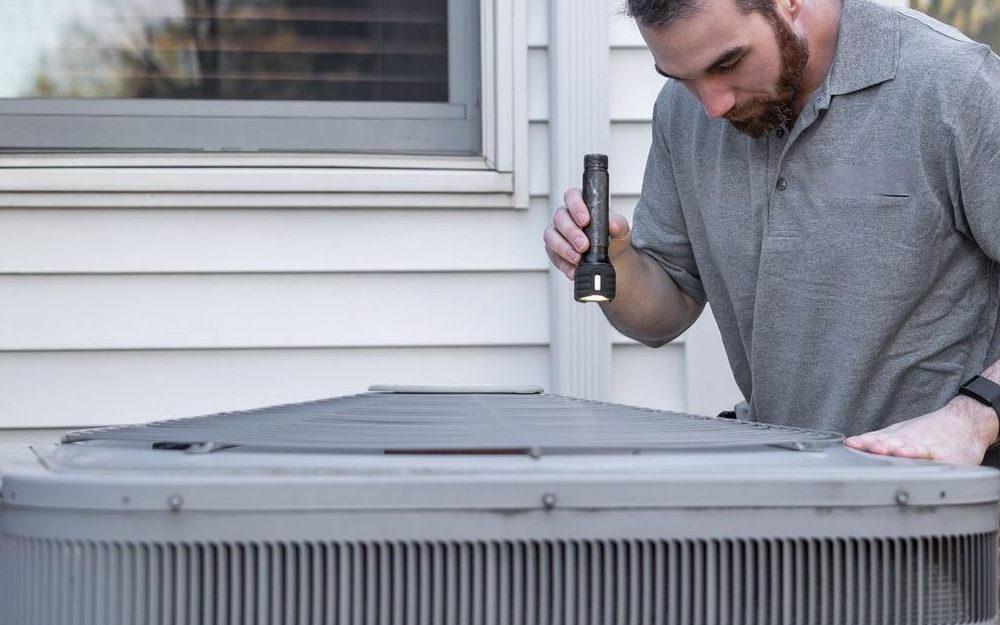
Engineer inspecting a refrigeration unit during a monitored service visit

02

Healthcare and clinical

Pharmacies, clinics, laboratories and cold-chain facilities where a temperature excursion has a clinical consequence.

  • Defined temperature bands with monitoring and alarm escalation
  • Documented temperature records and mapping
  • Continuity of supply and stock on critical medicines
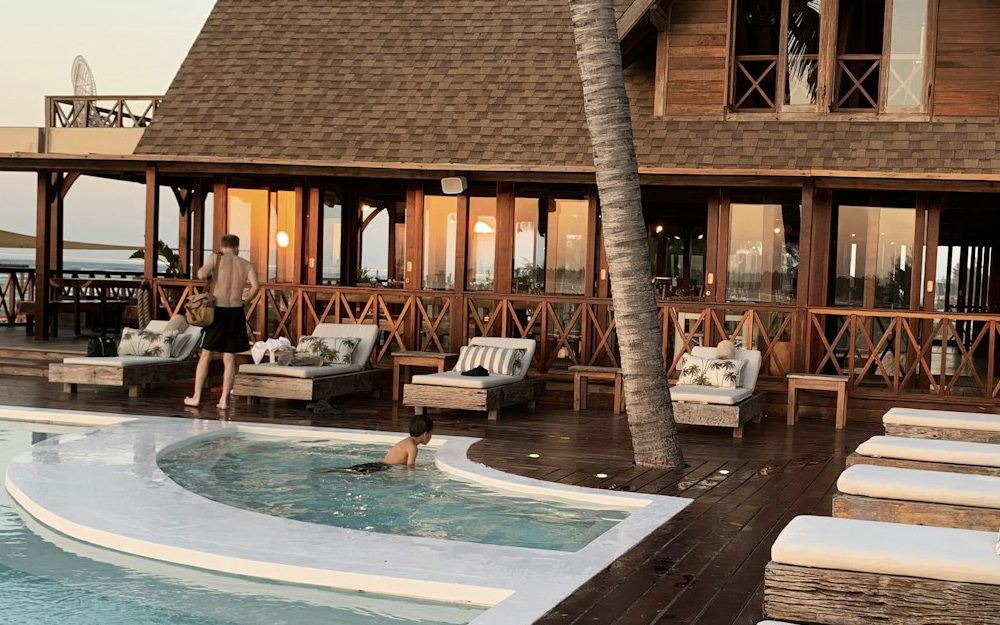
Guest terrace and pool at a lodge

03

Hospitality

Hotels, lodges, restaurants and venues running kitchen refrigeration, cold stores and guest comfort on the same clock.

  • Kitchen and cold-storage refrigeration that survives peak service
  • Quiet plant and discreet plant locations
  • Comfort systems that hold temperature through occupancy
Racked storage aisles inside a distribution warehouse

04

Industrial and logistics

Cold stores, warehouses, processing and logistics operations where stock and dispatch cannot stop for a breakdown.

  • Capacity and redundancy designed around real throughput
  • Phased cutovers that keep stock and dispatch moving
  • Plants that can be serviced without stopping the operation
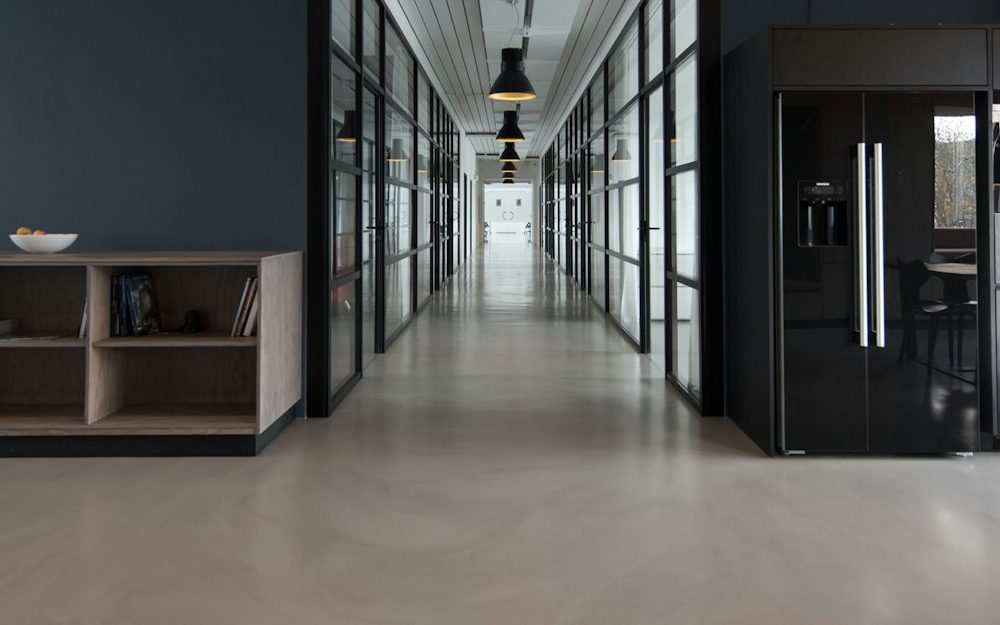
Interior of a modern office building with a central corridor

05

Commercial buildings

Offices, mixed-use developments and commercial buildings judged on comfort, running cost and the value of the space.

  • Comfort and air quality people accept
  • Running costs the operator can defend
  • Works phased around a building that stays open
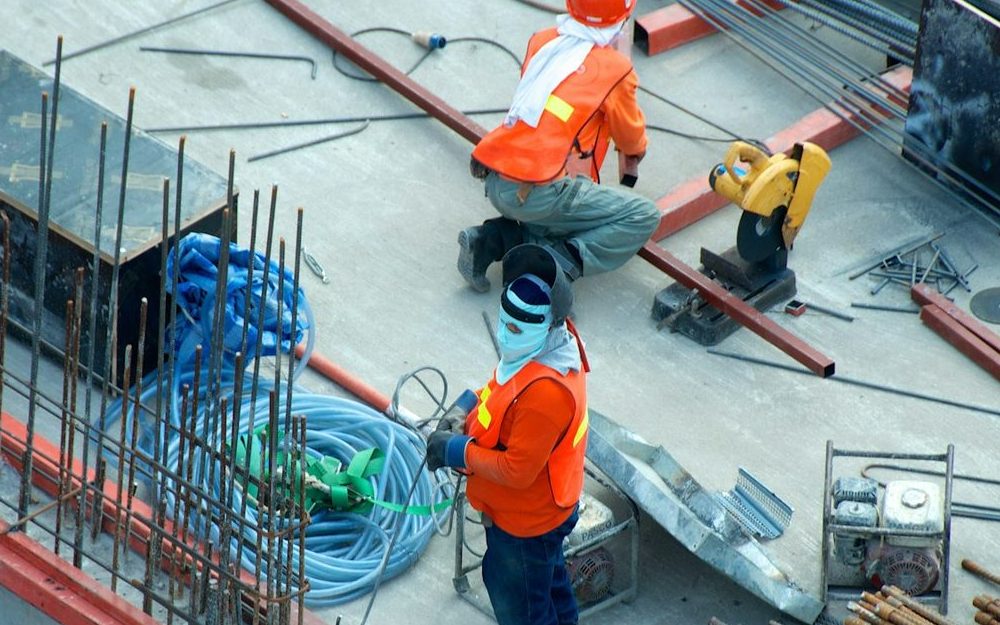
Engineers working on a building site during construction

06

Education and public sector

Schools, campuses and public buildings where ventilation, comfort and value are judged against a public budget.

  • Ventilation performance that is demonstrable
  • Durable, serviceable equipment in public buildings
  • Value for money over a long maintenance cycle

Why it matters

Different duty. Different design.

Retail and food service run on product temperature and trading hours. The plant has to work around a shop floor that never closes, and the display cases have to sell as well as hold cold.

Healthcare and clinical run on a defined temperature band, a monitoring regime and a documentation trail. The control system matters as much as the cabinet, and the capacity has to carry a buffer when a delivery is late.

Hospitality runs kitchen refrigeration and guest comfort on the same clock, through the same building, at the same peak hour.

Industrial and logistics run on throughput. Capacity, redundancy and cutover planning decide whether stock and dispatch keep moving while the system is replaced.

Commercial buildings run on comfort and running cost, the two things an operator has to defend to the people who own the building.

Education and public sector run on ventilation performance and value over a long maintenance cycle, with equipment that has to be serviceable by whoever holds the contract.

Start a conversation

Which sector is your building in?

Tell us the sector and the constraint you are working inside. We will engineer around both.